In the competitive landscape of modern marketing, graphic design is only half the battle. Your creative studio can spend weeks refining a beautiful layout, perfecting the typography, and selecting a vibrant, eye-catching colour palette. But when that layout transitions from a glowing computer screen into a physical, tangible asset, its success depends entirely on how it feels in the hand. For creative directors, brand managers, and account teams, the physical presentation of a campaign is a powerful tool to build credibility, command attention, and exceed client expectations.
If you are looking for ways to elevate your agency’s physical campaigns, the answer does not lie in simply making the designs more complex. Instead, it lies in mastering the art of tactile finishes. By introducing high-end processes like spot UV, metallic foil lamination, and premium custom packaging elements, you can transform standard marketing collateral into an unforgettable sensory experience.
The Science of Touch: Understanding Haptic Communication
In a digital-first world where we spend hours staring at flat glass screens, the sense of touch has become a luxury. Marketers refer to this sensory interaction as haptic communication, which is the study of how physical touch influences human behaviour, perception, and decision-making. When a prospect picks up a printed piece, their brain immediately begins processing tactile information before they have read a single headline.
If a luxury travel brand hands out a brochure printed on flimsy, standard office paper, the physical substrate contradicts the brand message of premium quality. On the other hand, if a corporate client distributes materials with a heavy, textured weight and refined finishes, the tactile feedback reinforces a message of stability, trustworthiness, and prestige.
Understanding how to leverage these physical cues is a superpower for marketing agencies. To gain a complete overview of how physical materials and design interact, you can explore our comprehensive cornerstone resource, The Marketing Agency’s Complete Guide to Buying Print.
Three Essential Finishes to Elevate Client Campaigns
To impress your clients and make their marketing materials stand out, you do not need to rewrite the entire design brief. Instead, you can specify one of these classic, high-impact premium finishes during the production stage:
#### 1. Spot UV Lamination
Spot UV is one of the most popular and cost-effective finishes used by creative agencies to add visual drama. This process involves applying a high-gloss, liquid ultraviolet coating to specific, isolated areas of a printed sheet, such as a logo, a headline, or a delicate background pattern. The sheet is then passed under an ultraviolet light to instantly cure and harden the lacquer.
The result is a stunning, high-contrast interplay between the matte or satin background paper and the glossy, reflective spot UV elements. It adds depth, catches the light beautifully, and invites the viewer to run their fingers across the page.
#### 2. Foil Stamping and Lamination
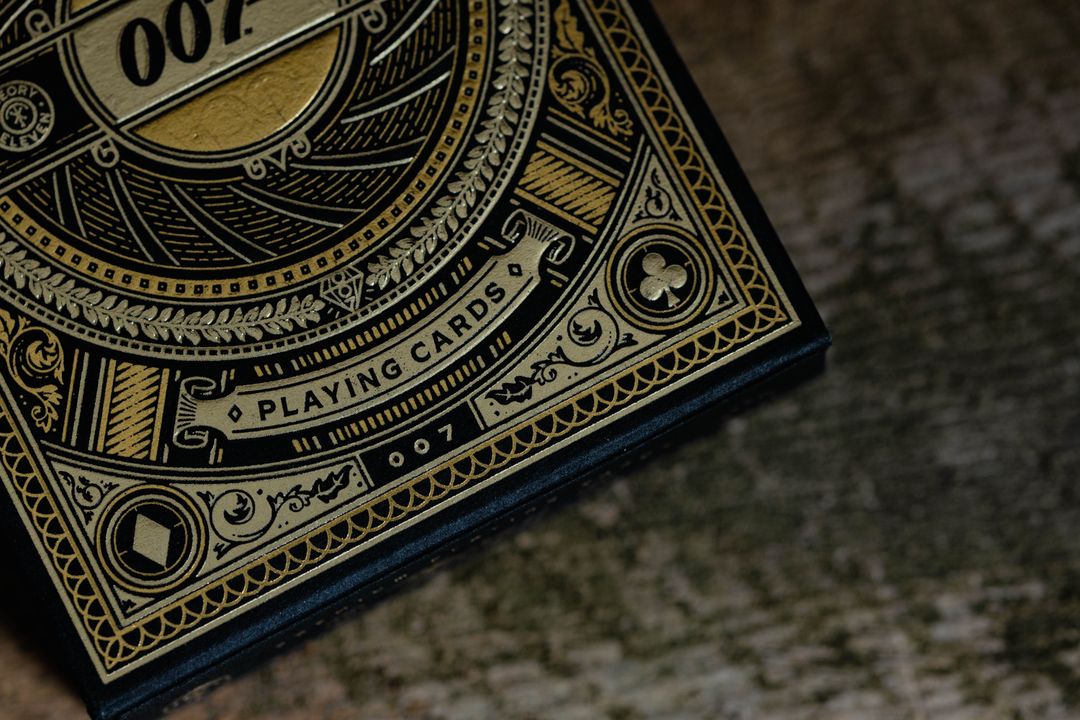
When a client campaign demands a sense of luxury, prestige, or celebratory elegance, metallic foils are the ultimate choice. Modern foil stamping uses heat and pressure to bond a thin metallic foil layer directly to the paper stock.
While classic gold and silver remain the standards for financial institutions, luxury retailers, and premium law firms, you can also explore copper, rose gold, or holographic foils for a modern twist. Foiling can be combined with embossing, where the paper is physically raised, to create a three-dimensional effect that demands to be touched.
#### 3. Soft-Touch Lamination
If you want to give a booklet, a folder, or a brochure cover a subtle, high-end feel, soft-touch lamination is the silent hero of tactile marketing. Unlike standard gloss or matte laminates, soft-touch films create a velvety, suede-like texture on the surface of the paper. It is highly tactile, reduces reflections, and provides a scratch-resistant barrier that protects the artwork during handling.
The Unexpected Finishing Touch: Customisable Wrapping Paper
To truly surprise and delight your clients, look beyond the standard range of corporate brochures and leaflets. The modern brand experience extends to every touchpoint, including how physical gifts, influencer kits, promotional merchandise, or product launches are packaged.
This is where custom wrapping paper becomes a brilliant, highly creative design asset. Imagine your client sending out a beautifully wrapped package, encased in custom-designed paper that mirrors their brand pattern, campaign theme, or event identity. It transforms a simple delivery into a memorable unboxing experience.
At Print Lord, we make this simple and accessible with our Customizable Wrapping Paper. Whether for a high-end corporate gifting campaign or a creative retail launch, this product allows you to feature your client’s unique designs or company branding on premium stock.
Our custom wrapping paper is available in both A3 and A2 sizes, offering excellent versatility for different package dimensions. It is printed single-sided on your choice of 90gsm Premium Smooth White Paper or 100gsm Uncoated Paper, giving you the flexibility to choose between a modern, sleek finish or a natural, textured feel.
Starting at just £31.39 plus VAT, we include free delivery across the UK and our comprehensive file checking service to ensure your designs look spectacular. Backed by our satisfaction guaranteed promise, it is an effortless way to add a premium touch to your client’s collateral. The turnaround time is just four working days, allowing you to meet tight agency deadlines with absolute confidence. You can explore the specifications and upload your client’s artwork directly on the Customizable Wrapping Paper product page.
Pre-Press Precision: Setting Up Files for Premium Finishes
To deliver a flawless result and prevent costly reprint disasters, your design studio must set up files correctly from the start. High-end finishes require a high standard of artwork preparation.
When preparing files for Customisable Wrapping Paper or any premium finish, keep these three golden rules in mind:
Resolution is King: Always ensure that all images, logos, and background patterns are set to a minimum of 300 dpi at their final print size to prevent pixelation.
Keep Colour Spaces Correct: Ensure that your design files are completely converted to CMYK colour format to avoid unexpected colour shifts during production.
* Mind the Bleed: Always include a minimum of 3mm bleed on all edges to ensure that your background designs are trimmed cleanly without unsightly white margins.
For a comprehensive checklist to hand to your design team before they export their final PDFs, read our cornerstone guide, The Complete Artwork Preparation Guide.
Simplifying Print Management for Agencies
Managing high-end print runs across multiple client accounts can quickly become a logistical headache. To protect your studio from administrative overwhelm, we suggest consolidating your print procurement. To discover how to streamline your agency’s processes, read our dedicated resource, How to Save Time Managing Print Across Multiple Client Campaigns.
At Print Lord, we believe that buying print should be easy, transparent, and entirely reliable. We act as your proactive brand guardians, checking your files to catch mistakes before they reach production.
If you are reviewing your current print suppliers, consolidating your print purchasing into one reliable online platform can save significant time on future campaigns. Visit the Print Lord online shop today, or get in touch with our team to discuss how we can bring your next creative print project to life.