Picture this, your client’s campaign is signed off, the artwork looks stunning on screen, and the deadline is looming like a dark cloud. Now comes the moment of truth, sending the files to press. Your studio manager asks a deceptively simple question, “Are we running this digital or litho?”
If your gut reaction is to panic, or to simply nod and say, “whichever is cheaper,” you are not alone. The print world loves to wrap itself in technical mystery, but as an agency partner, understanding the difference between digital and lithographic printing is your secret weapon. It allows you to save your client’s budget, prevent artwork errors, and position yourself as the ultimate print expert in the room.
At Print Lord, we believe in making print simple, transparent, and drama-free. Let us break down the great digital versus litho debate without the confusing industry jargon, so you can make the right call for every campaign.
—
The Mechanics Simplified: Ink vs. Toner
To understand why one process suits a project better than another, it helps to understand what is actually happening inside the machinery.
What is Digital Printing?
Think of digital printing as a highly sophisticated, industrial-scale version of the office laser printer, though infinitely more precise and capable of handling heavier stocks. The press uses electronic files (like your high-resolution PDF) to direct liquid ink or fine toner particles onto the paper.
There are no physical plates, no complex setups, and no chemical processes. The press simply reads the digital data and applies the image directly to the paper, sheet by sheet.
What is Litho (Lithographic) Printing?
Lithographic printing, often called litho, is the traditional heavyweight champion of the print world. This process relies on the ancient scientific principle that oil and water do not mix.
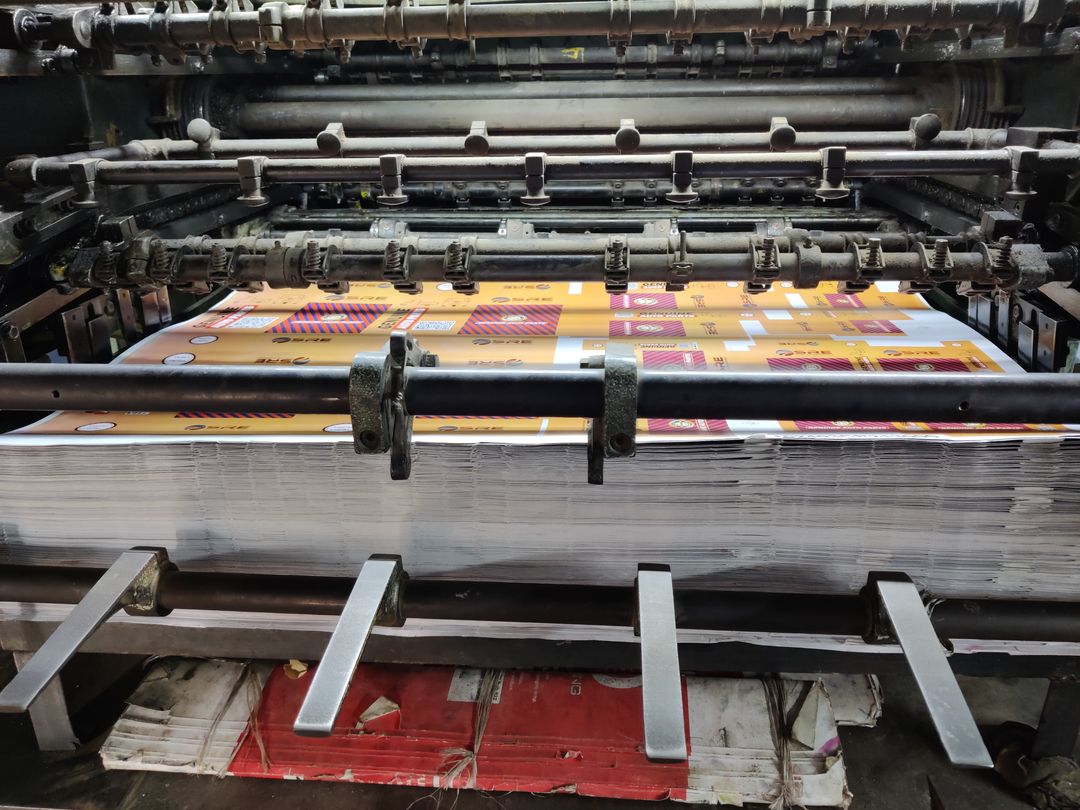
Your digital artwork is burned onto aluminium plates, one plate for each of the four process colours, Cyan, Magenta, Yellow, and Key (Black), known collectively as CMYK. These plates are mounted onto rollers inside a massive press. Ink is applied to the plates, transferred to a rubber sheet, and then pressed onto the paper. It is mechanical, precise, and incredibly beautiful to watch.
—
The Setup Showdown: Time, Effort, and Cost
The primary difference between the two processes comes down to preparation time.
With digital printing, the setup time is virtually zero. You load the file, adjust the settings, and start printing. This lack of preparation means digital print is fast, flexible, and highly cost-effective for short runs.
Litho, on the other hand, is a labour of love. Creating the metal plates, mounting them to the rollers, calibrating the ink keys, and running test sheets to ensure the colours are perfectly aligned takes time, skill, and physical materials. This means the initial setup cost is high. However, once the press is running, it moves at lightning speed, and the cost per printed sheet becomes incredibly low.
—
The Tipping Point: Run Lengths and Budgets
Because of the difference in setup costs, there is a clear “tipping point” where one method becomes more economical than the other.
Under 500 units: Digital is almost always the victor. If you need 250 brochures for a boutique event, digital printing will give you a fantastic result without the burden of litho setup costs.
Over 1,000 units: Litho starts to flex its muscles. For long runs, such as a nationwide flyer campaign of 5,000 units, the cost of litho plates is spread across thousands of sheets. The unit cost drops dramatically, making litho the far more economical choice.
* The grey area (500 to 1,000 units): This is where Print Lord steps in to advise. The choice here will depend on other factors, such as the paper stock, the complexity of the design, and how quickly you need the finished product.
—
The Personalisation Game-Changer
There is one area where digital printing completely dominates, and that is variable data printing, or VDP.
Because digital presses print directly from electronic files without physical plates, every single sheet can be different from the last. You can print a run of 1,000 direct mailers where every single piece has a different client name, a unique offer, a personalised QR code, or even a different image based on their purchase history.
With litho, personalisation is impossible. Once the plates are burned, every single impression must be identical. If you want to run a highly targeted, data-driven campaign, digital is your only choice.
—
Quality and Colour: Is There a Difference?
Historically, litho was the undisputed king of quality, while digital was viewed as a quick but slightly inferior alternative. Today, that gap has almost entirely closed. Modern digital presses produce stunningly sharp images and vibrant colours that rival litho.
However, litho still holds two major advantages in the quality department:
- 1. **Specialist Inks (Pantones):** If your client has a strict brand guidelines document that specifies an exact metallic gold, neon pink, or a very specific corporate shade, litho is the answer. Litho presses can use pre-mixed spot colour inks (known as Pantones) to achieve flawless, consistent colour across every piece.
- **Texture and Stock:** While digital presses can handle a wide range of papers, litho still excels at printing on incredibly heavy, textured, or unusual stocks.
—
Your Quick Reference Cheat Sheet
Keep this simple guide on your desk for the next time you are planning a client campaign:
Choose Digital when: The print run is short, you need it in a hurry, or the campaign involves personalisation and variable data.
Choose Litho when: The run volume is high, you need exact Pantone colour matching, or you are printing on highly textured, heavyweight stocks.
Understanding these details allows you to guide your clients toward the best possible results while protecting their budgets.
If you are reviewing your current print suppliers, consolidating your print purchasing into one reliable online platform can save significant time on future campaigns. Print Lord is always at your service, ensuring your agency projects are delivered on brand, and on time. We make buying print easy.
For more expert advice on preparing files for the press, don’t forget to check out our cornerstone resource, The Complete Artwork Preparation Guide, available on our website.
—
Print Lord. At your service. On brand. On time. printlord.co.uk