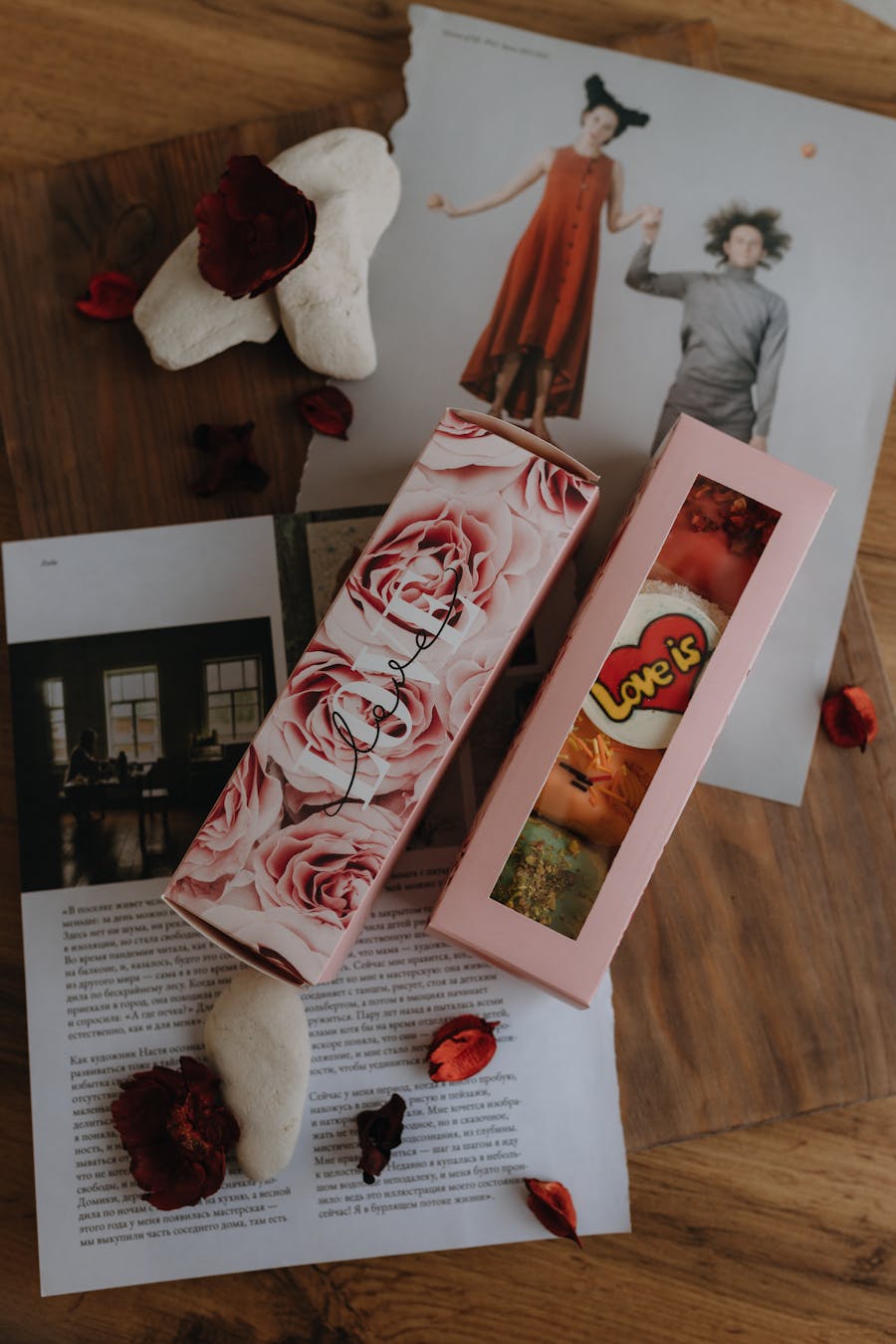
Valentine’s Day Special: Why Personalisation Builds Brand Love
Valentine’s Day celebrates connection, affection, and showing people they matter. Strip away the roses and chocolates, and you are left with a simple truth: relationships thrive when they feel personal, intentional, and genuine.
The same principle applies to brands. Customers do not fall in love with businesses that treat them like numbers. They build loyalty with the ones who remember their name, understand their needs, and show up with something that feels like it was made just for them.
Variable Data Printing, personalised print, customised campaigns, whatever term you prefer, is how brands create that feeling at scale. It is the difference between generic Valentine’s cards bought in bulk and a handwritten note that makes someone smile. One gets binned. The other gets kept.
What Brand Love Actually Means
Brand love is not about discounts or promotions. It is about trust, recognition, and emotional connection. Customers who love a brand recommend it without being asked, forgive mistakes faster, and stay loyal even when competitors offer cheaper alternatives.
That kind of loyalty cannot be bought with a price cut. It is earned through consistency, care, and showing customers they are valued as individuals, not just transaction opportunities.
Personalisation is how you demonstrate that care in your marketing. When a customer receives a direct mail piece with their name, a tailored offer based on their purchase history, and a message that feels relevant to their situation, they notice. They feel seen. That is where brand love begins.
Why Generic Marketing Kills Connection
Imagine receiving a Valentine’s card addressed to “Valued Partner.” No name. No personal message. Just a template someone printed 10,000 times and hoped for the best. You would bin it without a second thought.
Yet businesses do this constantly. They send the same email to everyone. They print the same flyer for every postcode. They run the same ad regardless of who sees it. Then they wonder why response rates are dismal and customer loyalty feels non-existent.
Generic marketing treats customers like interchangeable units. Personalised marketing treats them like individuals. The latter builds relationships. The former just adds to the noise.
How VDP Creates Genuine Connection
Variable Data Printing allows you to personalise every element of a print piece within a single run. Names, images, offers, maps, testimonials, QR codes, all can change per recipient without reprinting or resetting.
This is not about slapping a first name on a letter and calling it personal. Real VDP goes deeper. It uses customer data to create relevance: the right offer for the right person at the right time.
A restaurant might send loyalty members a birthday voucher with their favourite dish highlighted and a personalised thank you from the chef. A retail brand might mail lapsed customers a “we miss you” message with products based on their previous purchases. A professional service firm might send anniversary cards to clients with a recap of milestones achieved together.
Each example feels intentional, thoughtful, and specific. That is what builds emotional connection. That is what turns transactions into relationships.
The Psychology of Personalisation
Humans are hardwired to respond to their own name and details that reflect their identity. Psychologists call it the “cocktail party effect,” the way your brain picks out your name in a crowded room even when you are not actively listening.
Personalisation triggers the same response. When someone sees their name, their street, their previous order, or their local landmark in a piece of marketing, their brain pays attention. It signals relevance. It creates a moment of recognition that generic content never achieves.
That recognition builds trust. It shows the brand knows who they are and has taken the time to tailor the message. In a world where most marketing feels like spam, that effort stands out.
Real Examples of VDP Building Brand Love
Consider a local gym that sends members a quarterly recap of their fitness milestones, personalised with their name, goals achieved, and next steps. That is not just marketing. It is reinforcement, celebration, and motivation wrapped into one.
Or a charity that sends donors a personalised thank you with the specific projects their contribution funded, complete with photos and outcomes. That is not just acknowledgment. It is proof of impact and emotional connection.
Or a hotel that sends past guests a personalised offer for their anniversary, referencing the room they stayed in and inviting them back with a tailored package. That is not just a promotion. It is a memory reignited and loyalty rewarded.
Each example uses VDP to create a moment that feels personal, not transactional. That is the difference between a campaign people ignore and one they remember.
Where Most Businesses Go Wrong
The most common mistake with personalisation is treating it like a gimmick. Slapping “Dear Jim” on a generic sales pitch does not build connection. It highlights the lack of genuine effort.
Real personalisation requires understanding your audience, segmenting based on behaviour or preferences, and tailoring the message to match. It means using data thoughtfully, not just mechanically.
Another mistake is over-personalising to the point of creepiness. Mentioning someone’s recent web browsing or implying you know too much can backfire. The line between helpful and invasive is thin. Stay on the side of relevance, not surveillance.
Finally, personalisation without quality is pointless. A beautifully tailored message printed on flimsy stock with poor colour matching undermines the effort. If you are going to personalise, do it properly. Print Lord ensures every VDP campaign looks as good as it feels.
How to Start Building Brand Love with VDP
You do not need a massive budget or complex data systems to start. Begin with what you already know about your customers: names, locations, purchase history, engagement level.
Segment your audience into meaningful groups. Lapsed customers. High-value clients. First-time buyers. Local prospects. Each group has different needs and responds to different messaging.
Create a simple personalised campaign for one segment. A reactivation offer for lapsed customers. A thank you mailer for top spenders. A welcome pack for new sign-ups. Keep it focused, relevant, and genuine.
Measure the response. Track redemption rates, follow-up engagement, and customer feedback. Compare results to your generic campaigns. The difference will prove the point.
Once you see what works, scale it. Add more segments. Test different offers. Refine your data. Build a rhythm of personalised touchpoints that keep your brand top of mind without feeling intrusive.
Why Print Beats Digital for Emotional Connection
Email can be personalised, but it is also easy to ignore, delete, or miss entirely. Print demands attention. It sits on a desk, gets pinned to a board, or handed to a colleague. It has physical presence that digital lacks.
When that print is personalised, the impact multiplies. A tailored postcard feels like a gift. A customised brochure feels like it was created just for you. A personalised thank you card feels like genuine appreciation.
Print also benefits from the halo effect of effort. Recipients know personalised print takes more work than a mass email. That effort signals care, and care builds loyalty.
VDP as Part of a Bigger Strategy
Personalised print works best when integrated with other channels. Use VDP as the opening move in a multi-touch campaign. Follow up with email. Retarget with digital ads. Reinforce with social media.
The consistency across channels amplifies the message. When someone receives a personalised mailer, then sees a matching digital ad, then gets a follow-up email referencing the original offer, the campaign feels coordinated and intentional.
That level of integration builds trust. It shows the brand is paying attention, not just throwing messages into the void.
The Long-Term Value of Brand Love
Acquiring a new customer costs five times more than retaining an existing one. Loyal customers spend more, refer more, and cost less to serve. Brand love is not just a nice-to-have. It is a competitive advantage.
Personalisation builds that love by making customers feel valued, recognised, and understood. It transforms one-time buyers into repeat customers and repeat customers into advocates.
VDP is the tool that makes personalisation scalable. You can create thousands of unique pieces in a single print run, each one tailored to build connection with a specific person.
That is how you compete in 2026. Not on price. Not on volume. On relationships. On loyalty. On brand love earned through personalisation done right.
Ready to Build Brand Love with VDP?
Valentine’s Day reminds us that connection matters. The same applies to your customers. Show them they are more than a number. Prove you know who they are and what they need. Use VDP to create marketing that feels personal, relevant, and genuinely thoughtful.
Print Lord has been running personalised print campaigns for years. We know what works, what does not, and how to set up data so it prints flawlessly. Whether you are running your first VDP campaign or refining an existing strategy, we will guide you through every step.
No jargon. No barriers. Just results that build loyalty, drive response, and create the kind of brand love that lasts long after the roses fade.
Want to try VDP? Print Lord can set it up for you. Let’s make your marketing personal, powerful, and impossible to ignore.