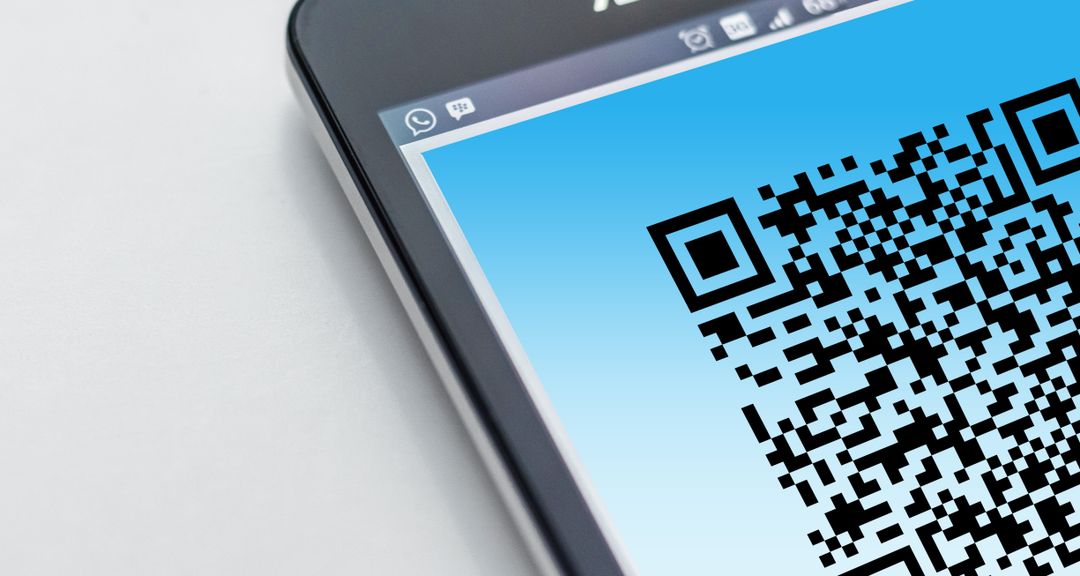
For years, digital marketers have touted immediate click-through rates and detailed customer tracking as their exclusive domain. Meanwhile, physical print has continued to deliver something digital adverts simply cannot replicate: tactile authority, undivided attention, and high retention. However, forward-thinking businesses no longer view physical print and digital channels as competing mediums. Instead, they are uniting them.
Integrating dynamic, personalised QR codes onto printed brochures, mailers, corporate gifts, and signage bridges the gap between physical touchpoints and digital journeys. It transforms a beautifully crafted piece of print into an interactive gateway, allowing you to track response rates with precision, deliver tailored digital experiences, and prove the return on investment of every campaign.
Against the propaganda of the paperless lie, print remains the most trustworthy medium in business. When enhanced with smart digital connectivity, print becomes one of the most measurable and effective weapons in your marketing armory.
Moving Beyond Static Square Pixels
When QR codes first entered mainstream marketing, they were often treated as a novelty. Marketers placed static, generic codes on posters that directed every recipient to a standard home page. If a potential customer scanned the code, they were left to navigate the website themselves. Furthermore, if the destination URL changed, the printed materials immediately became obsolete.
Today, smart marketing relies on dynamic QR codes. Unlike traditional static codes, dynamic QR codes allow you to edit the destination URL at any time, even after thousands of brochures or mailers have been printed and distributed.
More importantly, dynamic QR codes allow for granular tracking. When someone scans a dynamic QR code on a printed leaflet or exhibition display, your analytics platform records the exact time, device type, location, and specific print asset that triggered the interaction. This gives physical print the exact same measurable clarity that marketers have long enjoyed with digital advertising campaigns.
The Power of Personalised QR Codes and Variable Data Printing
While a single dynamic QR code on a batch of flyers is a huge step forward, the real revolution happens when print personalisation enters the equation.
Through Variable Data Printing, or VDP, Print Lord can print unique artwork, customer names, custom offers, and individualised QR codes on every single piece in a print run. Rather than directing thousands of contacts to the same generic web page, each printed mailer features a custom QR code unique to the person receiving it.
Consider the difference in customer experience:
- The Generic Approach: A client opens a direct mail brochure, scans a standard QR code, and lands on a busy home page. They must manually find the product they were browsing, fill out their name and address in an inquiry form, and re-enter their details.
- The Personalised Digital Journey: A client receives a tailored direct mail piece addressed directly to them. They scan their unique QR code using their mobile phone and are instantly directed to a personalized landing page: “Welcome back, Sarah.” Their contact information is pre-filled, and the page displays a custom promotional offer matching their past purchasing history.
By removing friction and creating an uninterrupted transition from paper to screen, personalised QR codes drastically improve conversion rates and foster genuine brand trust.
Practical Ways Businesses Connect Print to Digital Journeys
The beauty of dynamic print integration lies in its versatility across industries and customer touchpoints. Here are several practical ways modern businesses are working smarter with print:
1. Direct Mail and Lapsed Customer Reactivation
Direct mail consistently achieves higher open rates than email, but tracking individual responses was once a challenge. By printing individualised QR codes on customer reactivation mailers, you can track precisely which clients scanned their code and completed a purchase, allowing you to calculate the exact ROI of your campaign.
2. Events, Conferences, and Corporate Invitations
For corporate galas, trade shows, and VIP hospitality events, printed invitations set a prestige tone. Adding a dynamic QR code allows guests to confirm attendance instantly, select dietary requirements, download event schedules, or save calendar reminders directly to their smartphones.
3. Retail Packaging and Product Catalogues
Modern packaging does double duty. Incorporating dynamic QR codes on product labels, swing tags, or custom packaging inserts lets customers instantly view user guides, watch video tutorials, leave reviews, or reorder items with a single tap.
4. Interactive Menus and Point-of-Sale Signage
Hospitality venues can utilise table talkers and printed menus with dynamic QR codes to manage seasonal promotions, launch loyalty schemes, or allow guests to book their next table or Christmas party reservation while seated at the venue.
Measuring Print Campaign ROI with Precision
One of the largest obstacles business owners face when planning marketing budgets is justifying expenditures without clear tracking data. Personalised and dynamic QR codes solve this problem completely.
When you launch a print campaign featuring smart QR codes, you gain access to rich performance metrics, including:
- Total Scans vs Unique Scans: Understand overall engagement levels and how often recipients return to your content.
- Geographic and Device Analytics: Discover where your physical print materials are being engaged with most effectively.
- Conversion Tracking: Link physical scans directly to online sales, form submissions, download requests, or event sign-ups.
- A/B Testing Capability: Test two different paper stocks, headline angles, or physical formats by directing recipient groups to specific tracking URLs to determine which physical presentation yields the highest digital conversion.
Best Practices for Designing Print-Ready QR Codes
To ensure your printed QR codes scan effortlessly every time, technical accuracy in artwork preparation is essential. A code that fails to scan due to poor print quality or incorrect sizing frustrates customers and damages brand perception.
Here are fundamental design rules to follow before sending artwork to press:
- Maintain High Contrast: Always ensure strong contrast between the QR code and its background. Dark codes on crisp light backgrounds scan best. Avoid printing dark codes over busy background images or textured patterns.
- Respect the Quiet Zone: Every QR code requires a clear border, known as the quiet zone, free from text, logos, or graphic elements. This helps smartphone cameras identify and process the code quickly.
- Check Resolution and Vector Quality: Never grab a low-resolution screenshot of a QR code off the internet. Ensure your QR code is generated as a high-resolution vector file (EPS, PDF, or SVG) to keep lines crisp during commercial printing.
- Mind the Physical Size: A QR code printed on a business card or brochure should measure at least 2cm by 2cm. For outdoor banners, exhibition displays, or window graphics, the code must be scaled up proportionately based on viewing distance.
- Always Test Print First: Before running a multi-thousand piece print order, test a physical print proof on the intended paper stock using multiple mobile devices under various lighting conditions.
Work Smarter with Print Lord
Physical print creates emotion, credibility, and brand weight that digital pixels cannot achieve alone. Digital tools provide speed, interactivity, and detailed tracking. When brought together through dynamic, personalised QR codes, you enjoy the absolute best of both worlds.
Whether you need a targeted direct mail campaign powered by Variable Data Printing, custom brochures with interactive tracking, or advice on combining print with your existing digital marketing funnel, Print Lord is here to guide you every step of the way.
Print Lord. At your service. On brand. On time.